How to Experience Udaipur Beyond the Palace Walls
Behind the ticketed museum gates and tourist thoroughfares lies a slower, intimate city of generational artisan mohallas, quiet morning ghats, and hill crests where the breeze still carries the scent of wild Aravali flora.
Beyond the Ticket Booths: The Living Rhythm
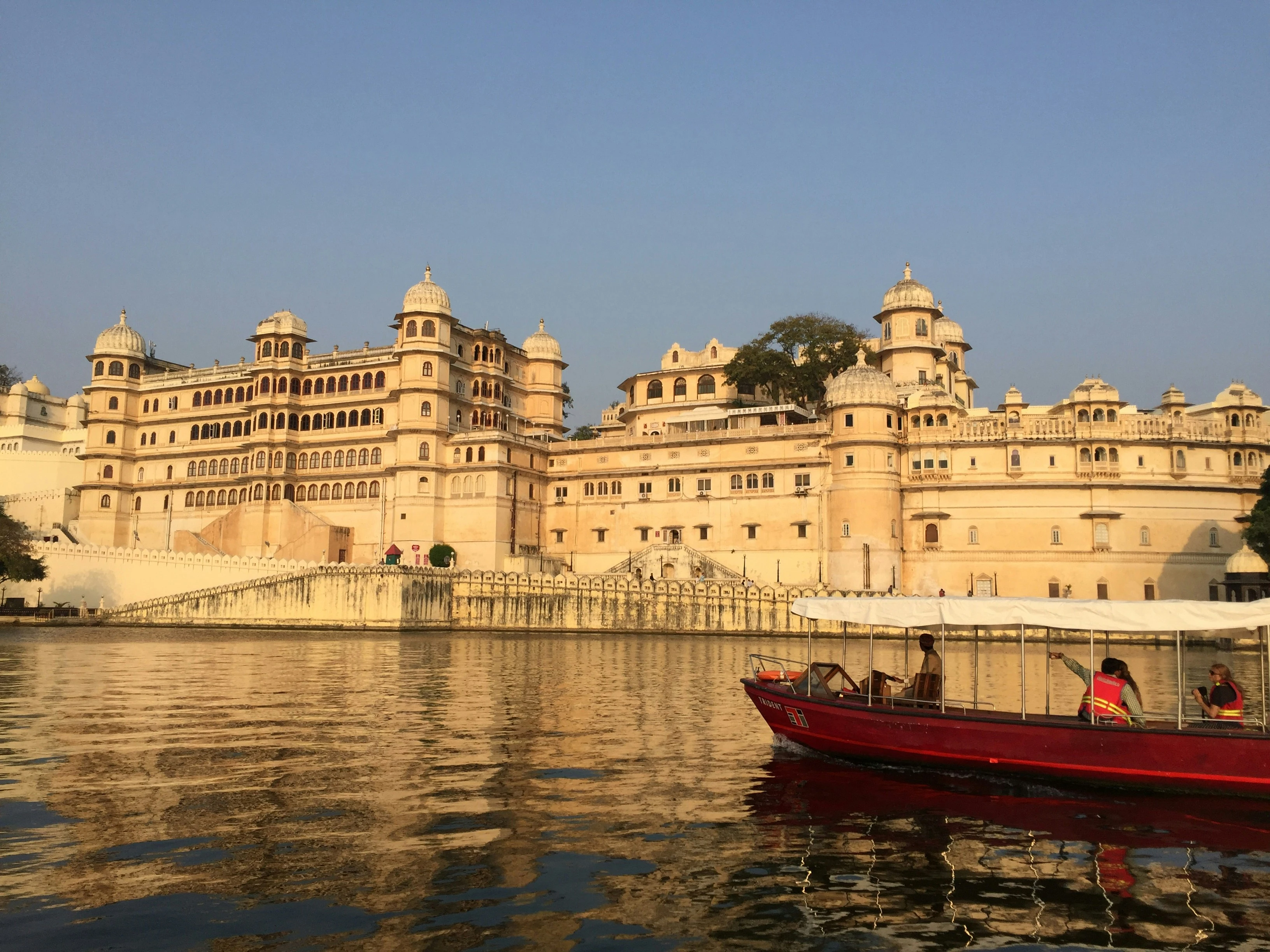
Most visitors experience Udaipur through a lens of monumental architecture—the grand facade of the City Palace, the marble columns of Jagdish Temple, and the illuminated shores of Lake Pichola. While these landmarks are undeniably magnificent, they represent only the ceremonial skin of a city whose true heart beats in quiet residential quarters.
To know Udaipur is to wake before the tourist buses arrive. At 6:30 AM, the marble steps of Gangaur Ghat belong to local swimmers and temple priests. The morning mist clings to the water, and the sound of temple brass bells rolls across the calm lake surface.
“Udaipur is not a museum to be observed behind ropes; it is a living sanctuary where every carved wooden door opens to generations of hospitality.”
The Artisan Mohallas: Time Preserved in Craft
Wander five minutes inward from the lake, away from the souvenir shops, and the streets narrow into quiet mohallas. Here, generational miniature painters still grind natural lapis lazuli and malachite stones to create luminous pigments on vintage paper.
You will hear the rhythmic tap of silversmiths hammering filigree ornaments and the aroma of freshly turned sandalwood. These craftspeople are not tourist performers; they are the living lineage of court artisans whose families were patronized by Mewar rulers four centuries ago.
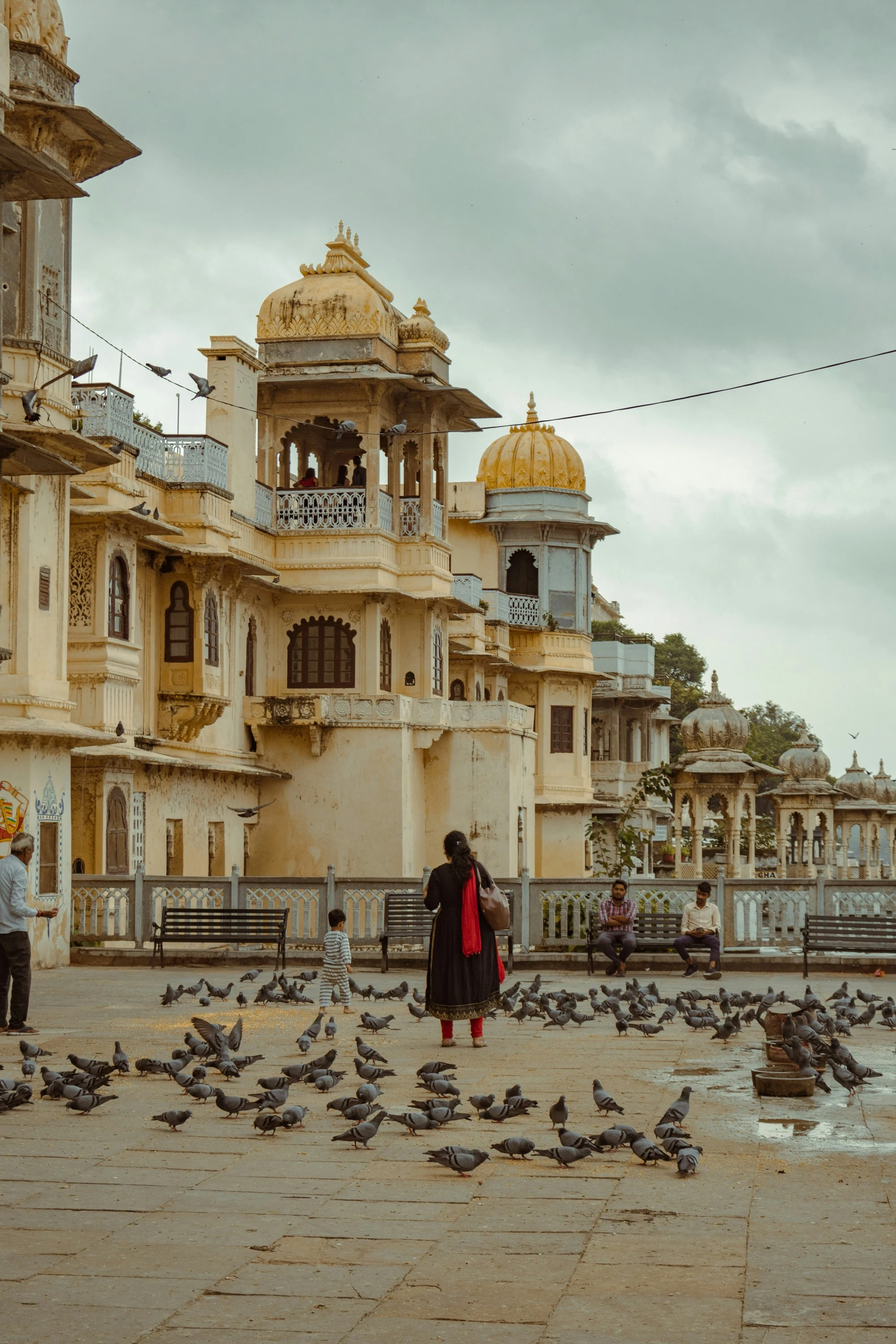
Explore these tucked-away artisan studios and historic stepwells through our guided cultural walks.
Explore Curated JourneysUnderstanding the Architecture of Water
The soul of Udaipur was engineered out of survival and reverence. In the 16th century, Maharana Udai Singh II recognized that drought-prone southern Rajasthan required visionary water management. The resulting chain of lakes—Pichola, Fateh Sagar, Swaroop Sagar, and Badi—is connected by ancient masonry spillways that sustain the city's lush microclimate.
Taking a traditional wooden boat across Lake Pichola during twilight is not merely scenic; it is an encounter with four hundred years of harmonious hydrological design that turned an arid valley into the Venice of the East.
Letting the Day Unfold at Your Own Pace
The greatest mistake in Udaipur is over-scheduling. Leave afternoons unstructured. Find a quiet haveli courtyard with a private jharokha overlooking the water, order a fresh pot of cardamom tea, and watch the changing colours of the Aravali hills as the sun dips below the horizon.
When you travel with stillness, the city reveals its finest secrets—from sudden conversations with temple elders to finding the perfect, uncrowded sunset vantage point on a secluded hill crest.